
Sustainability in hospitality gets used in a lot of ways, and not all of them mean the same thing. For some properties it is a branding decision. For others it is a series of operational choices that affect costs, design, and the guest experience in ways that you notice when you are actually there.
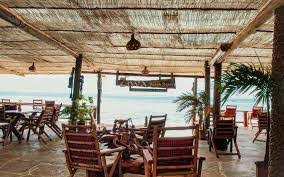
Ziwa Beach Resort makes a credible case as a sustainable beach resort in Mombasa because the choices it has made are structural rather than surface level. The botanical garden is not a small feature, it is over 50 species of exotic palms and plants that cover real ground, require genuine maintenance, and shape the atmosphere of the entire property. That kind of investment does not happen by accident, and it does not happen in a year.
What Sustainable Actually Means at a Beach Resort
Beach resorts have a complicated relationship with sustainability. They sit on coastlines that are ecologically sensitive. They generate waste, use water, and attract foot traffic to beaches and reef systems. A genuinely sustainable beach resort Mombasa operation has to engage with these realities, not just hang a sign near the recycling bin.
At Ziwa, the approach runs through several layers. The botanical garden was planted deliberately and has grown over time, providing shade that reduces the resort’s thermal load, supporting local biodiversity, and giving the property a character that guests describe consistently in reviews. The furniture is hand-carved African wood from local artisans — a sourcing decision that affects the local craft economy and avoids the carbon cost of importing generic hotel furniture. The services and activities at the resort include water sports — snorkelling, jet skiing, boat rides — run in a way that is attentive to the reef environment that makes the area worth visiting in the first place.
The North Coast Reef and Why It Matters
The section of reef off the Bamburi North Coast is in better condition than some of the more heavily developed parts of the Mombasa coastline. Snorkelling at low tide from the Bamburi beach is a genuinely worthwhile activity — the coral and reef fish in this section are healthy enough to surprise guests who expected the typical picture of a degraded urban reef.
A sustainable beach resort in Mombasa that sits adjacent to a healthy reef section has an obvious reason to protect it. The reef is part of the product. Guests who come for the beach experience are partly coming for the water quality and the marine life, even if they do not articulate it in those terms. Managing water sports activity, controlling what goes into the water, and supporting rather than depleting the local reef ecology is not a charitable position — it is commercial logic aligned with environmental responsibility.
Local Sourcing and the Swahili Coast Food Culture
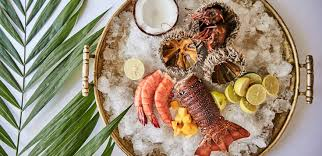
The restaurant at Ziwa serves local Swahili dishes alongside vegan options, and is open from 7am to 11pm. The Swahili coast has one of the more distinctive food cultures in East Africa — a blend of Arab, Indian, and African influence that produces dishes built around coconut, spice, fresh fish, and slow cooking. A sustainable beach resort that draws on this tradition rather than replacing it with a generic international menu is making a choice that is both culturally coherent and practically better for guests who came to the Kenya coast for an authentic experience.
The staff are recruited locally. This is worth mentioning because it is not universal across the Mombasa hospitality industry. A resort where the people who work there have genuine local knowledge — of the coastline, the food, the water, the seasonal conditions — is a different experience to one where the front desk can give you a laminated activity sheet.
Sustainable Beach Resort Mombasa: The Bamburi Advantage
Bamburi has advantages over some other stretches of the North Coast for a sustainability-focused resort. Haller Park, three minutes from the resort gate, is an active conservation site — a rehabilitated quarry that has become a butterfly pavilion, reptile park, and botanical garden over several decades. The proximity creates a coherence between what the resort is doing and what is happening in the wider neighbourhood.
For guests, a stay at Ziwa Beach Resort can include a Haller Park visit, reef snorkelling, and beach time without leaving the Bamburi area. The result is a trip with an internal logic — beach, reef, garden, conservation — rather than a collection of unrelated tourist activities.
Booking a Stay
Current room rates and availability can be checked directly through the Ziwa Beach Resort website. The rooms page shows the full range from standard doubles through to family rooms, with ocean view and garden view options. If you want to ask about specific sustainable practices or activity bookings before you arrive, the Contact Us page connects you directly with the team. Direct booking avoids third-party platform fees and gives you the most accurate information about what is available on your dates.
FAQ — Sustainable Beach Resort Mombasa
What makes Ziwa Beach Resort a sustainable choice in Mombasa?
Ziwa was designed around a botanical and eco concept that includes over 50 species of exotic palms and plants, locally sourced and hand-carved furniture, active recycling and tree-planting programmes, local staffing, and a restaurant that serves Swahili dishes made with local ingredients. These are structural choices rather than marketing additions.
Is snorkelling available near Ziwa Beach Resort?
Yes. The reef section off the Bamburi North Coast is in good condition, and snorkelling is available at low tide directly from the beach. The resort also arranges snorkelling trips, jet skiing, and boat rides for guests.
How does Ziwa Beach Resort compare to other sustainable hotels in Mombasa?
Most hotels that market sustainability on the Mombasa North Coast do so through small operational changes. Ziwa’s approach is structural — the botanical garden, local sourcing, community employment, and proximity to the Haller Park conservation site give it a coherence that most competitors do not match.
Does sustainable mean more expensive at Ziwa?
Not significantly. Ziwa is positioned as a mid-range resort rather than a luxury property, and guests consistently describe it as offering strong value relative to what is on offer. The eco and sustainable credentials are built into the resort model rather than added as a premium.